Recycling and Sustainability for Landscapers Fitzrovia
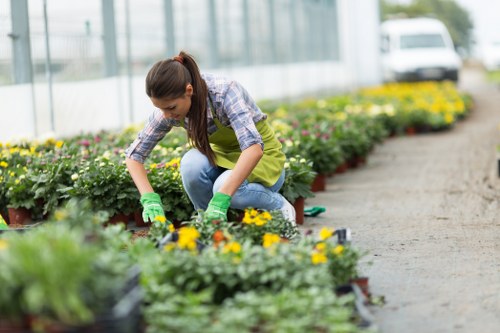 At Landscapers Fitzrovia, sustainability is built into every stage of our work, from garden clearances to green waste handling and the careful sorting of mixed materials. Our aim is to support an eco-friendly waste disposal area and a sustainable rubbish area model that reduces landfill reliance and keeps reusable resources in circulation. We work with a clear recycling percentage target in mind: our goal is to divert 90% of suitable non-hazardous waste from landfill through recycling, reuse, and responsible recovery. For a busy central London location like Fitzrovia, that means planning collections efficiently, separating waste properly, and using local processing routes wherever possible.
As a Landscaper in Fitzrovia, we regularly manage green waste, soil, timber offcuts, plant containers, stone, and packaging from landscaping materials. Each stream is assessed so that recyclable and compostable items are kept apart from residual waste. This approach helps reduce contamination and improves the quality of recovered material. It also supports a cleaner local environment, which matters in an area where residential blocks, offices, courtyards, and pocket gardens all sit close together.
 A core part of our sustainability programme is waste separation informed by the way central London boroughs encourage recycling at source. We pay close attention to separating green waste, wood, metals, plastics, and inert materials such as soil and rubble so they can be sent to the right facility. In practice, that means preparing each load for the most appropriate route rather than treating all waste as mixed rubbish. This is especially important in Fitzrovia, where small access points and limited storage make organised waste handling essential.
To keep our process local and efficient, we use transfer stations within practical reach of Fitzrovia, including facilities in central and north-west London that can sort, bulk, and forward materials into specialist recycling chains. Using nearby transfer stations reduces transport mileage and allows us to make better decisions about load composition. Where waste streams can be separated before arrival, we aim to do that, improving recycling outcomes for landscaping waste and construction-related garden materials alike.
We also work to ensure that reusable items are given a second life before anything is treated as refuse. Terracotta pots, usable timber, healthy shrubs, and decorative stones can often be diverted to reuse or refurbishment rather than disposal. This is especially relevant to Landscapers Fitzrovia, because many urban outdoor spaces are updated in stages and generate material that is still in good condition. Our practical recycling method helps turn surplus items into resources rather than waste.
 Our sustainability approach includes partnerships with local charities and community organisations that can benefit from donated items. Where suitable, we may direct reusable planters, tools, furniture, and decorative landscape materials to charitable rehoming channels. These partnerships support community projects and reduce the volume of usable goods sent for processing. In an area like Fitzrovia, where space is at a premium, charity-led reuse creates a valuable bridge between responsible removal and community benefit.
We also place emphasis on low-carbon vans and efficient route planning. Our newer vehicles are chosen to help lower emissions through better fuel performance and reduced idling, while smart scheduling cuts unnecessary trips across central London. For landscaping waste, this matters because transport can make a significant difference to the overall environmental impact. By using low-carbon vans and consolidating collections, Landscapers Fitzrovia can offer a cleaner service that aligns with the sustainability values many local clients expect.
Another key priority is how we handle material streams that are common in urban landscaping. Soil and hardcore can often be separated for recovery; untreated wood may be recycled or repurposed; metal fixings and fittings are directed to metal recycling; and cardboard or clean packaging is sent to the correct paper stream. This kind of detailed sorting supports borough-level recycling habits and helps us maintain a dependable sustainable rubbish area strategy for every project.
 We also recognise the importance of careful management for items that cannot be recycled in the usual way. Mixed or contaminated waste is kept separate so it does not compromise recyclable loads. Where appropriate, we look for specialist recovery channels that can extract value from difficult materials before disposal becomes necessary. This balanced system ensures that our recycling commitments remain realistic while still pushing performance forward.
Our recycling percentage target is not just a number; it is a working standard that shapes everyday decisions. By keeping a strong focus on separation, reuse, and local processing, we aim to improve environmental outcomes across all landscaping tasks. This includes spring clearances, planting upgrades, hard landscaping removals, and seasonal cutbacks. In each case, the objective is the same: reduce waste, increase recovery, and make disposal as responsible as possible.
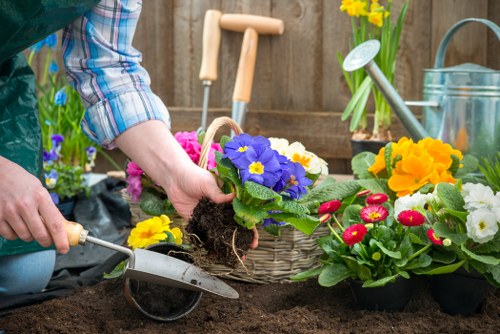 For clients seeking an environmentally conscious approach in Fitzrovia, our waste handling methods are designed to support cleaner streets, lower emissions, and better resource use. From local transfer stations to charity partnerships and low-carbon vans, every part of the process is shaped by sustainability. Recycling for Landscapers Fitzrovia is not treated as an afterthought; it is part of the service itself, helping us deliver a greener standard for urban outdoor spaces while respecting the practical demands of central London waste management.

